
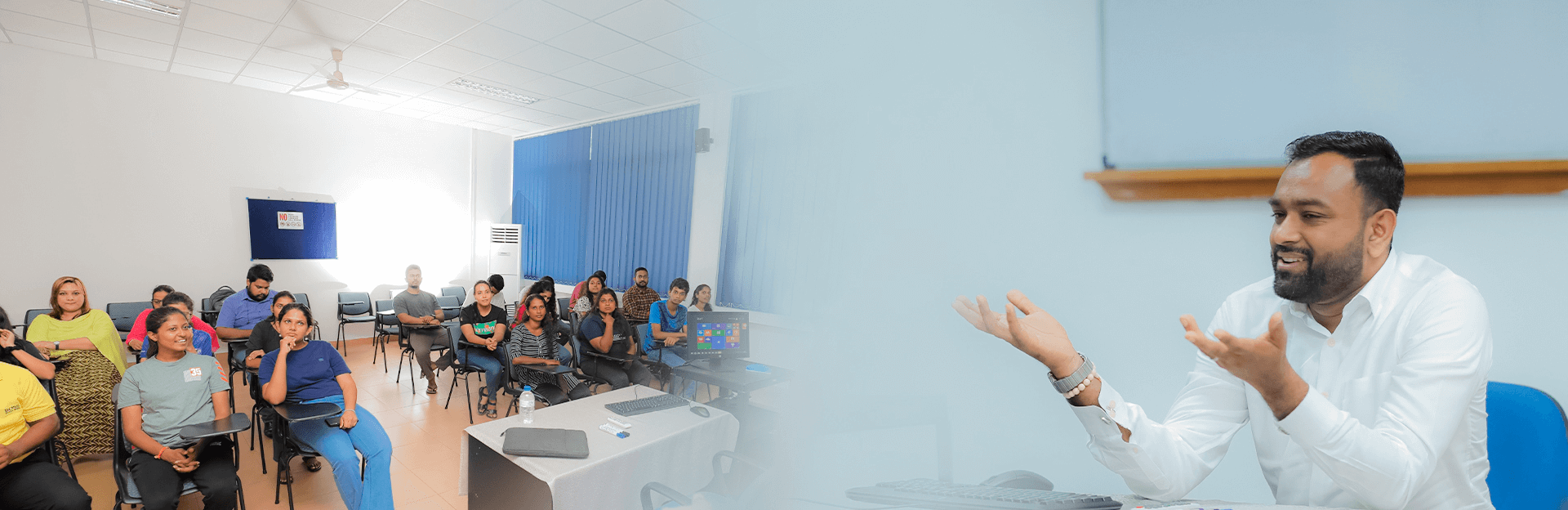
Expert Resource Panel

The BALPP has assembled a distinguished group of academics and professionals across diverse fields of study in the areas of leadership & Public Policy. Delve into the people who shape our academic excellence and elevate your educational experience.

The Academy draws on a diverse and continually expanding network of academics, practitioners, policy professionals, researchers, industry leaders and subject specialists to support its programmes in Leadership and Public Policy.This resource network is central to the Academy’s approach to executive and professional education. It brings together expertise from universities, public institutions, international organisations, the private sector, research institutions, professional bodies and specialised fields of practice. The result is a learning environment that connects academic knowledge with practical experience and contemporary policy challenges.

The network covers a broad range of disciplines relevant to leadership, governance and public policy. These include strategic leadership, public policy and administration, economic policy, education policy, health policy, climate resilience, politics and governance, strategic communications, cybersecurity and artificial intelligence, international relations, human rights, development, technology, organisational leadership and social policy.

The breadth of the network also allows the Academy to introduce participants to specialised areas of knowledge that have traditionally received limited attention within conventional professional and executive education in Sri Lanka. One such area is intelligence studies, with the Academy able to draw on expertise spanning strategic studies, international security, criminal justice, homeland security, defence and intelligence.

The network of resource persons also reflects the Academy's commitment to bringing contemporary knowledge and professional practice into the classroom. Participants can engage with individuals who have worked directly on policy, governance, institutional reform, economic analysis, public administration, education, healthcare, technology, communications and strategic decision-making. This creates a direct connection between the concepts discussed in the classroom and the environments in which those concepts are applied.

Student Code of Conduct 

This section outlines the standards of behaviour expected of all students, ensuring a respectful, inclusive, and academically rigorous environment. By enrolling, you agree to uphold these principles and contribute positively to the wider learning community.